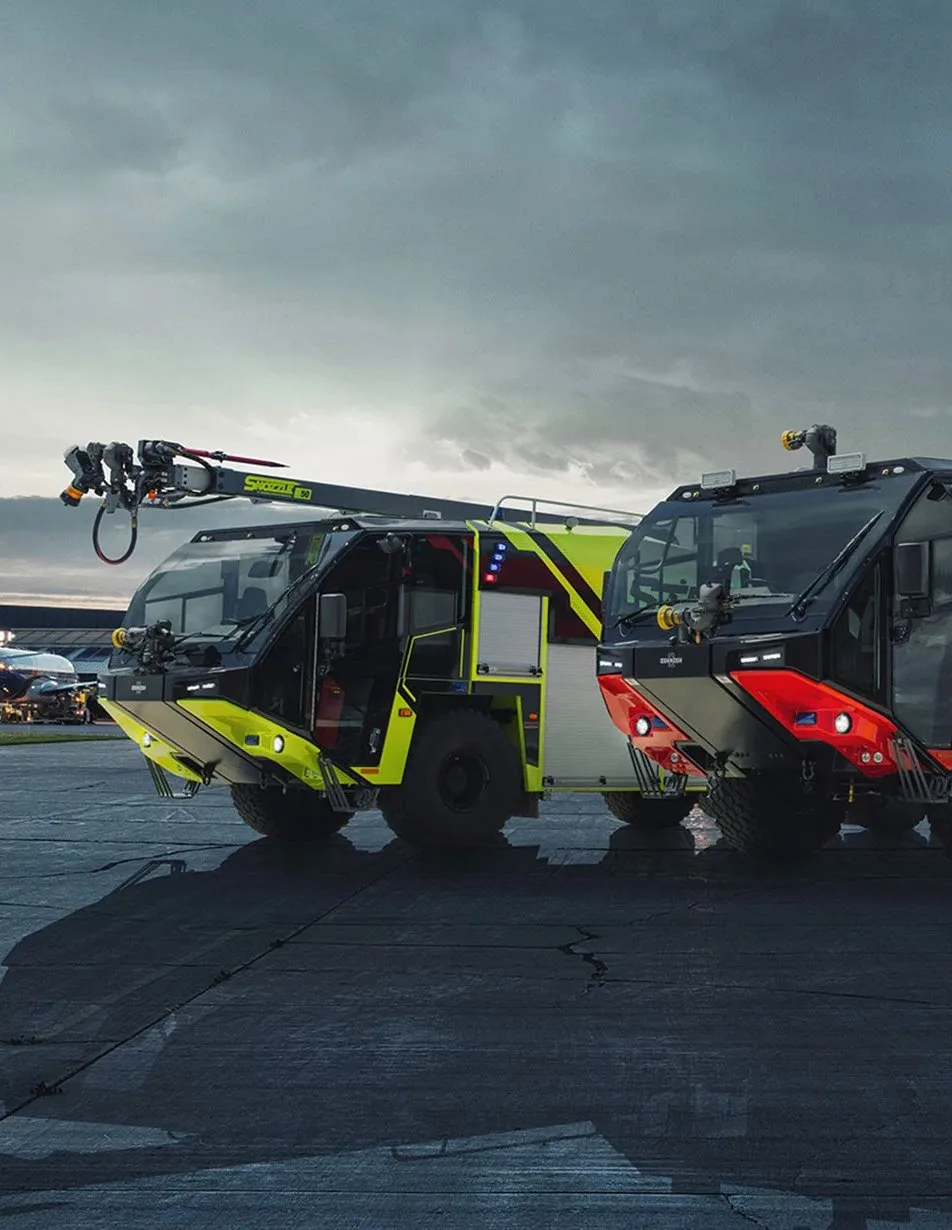
Oshkosh Airport Products ARFF vehicles on the airfield

Trucks / Oshkosh Airport Products

ARFF Vehicles

Aircraft rescue and firefighting is its own apparatus category. Airports need acceleration, off-pavement mobility, high-capacity agent packages, and crews ready to respond without relying on hydrants at the point of attack. This page organizes the Oshkosh ARFF lineup around that mission.

Striker Lineup

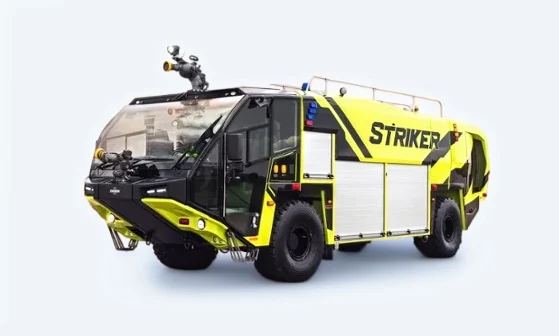
Oshkosh Striker 4x4 ARFF vehicle

Striker 4x4

Dedicated ARFF performance for airports that need maneuverability, acceleration, and meaningful agent capacity in a tighter package.

View 4x4 Details
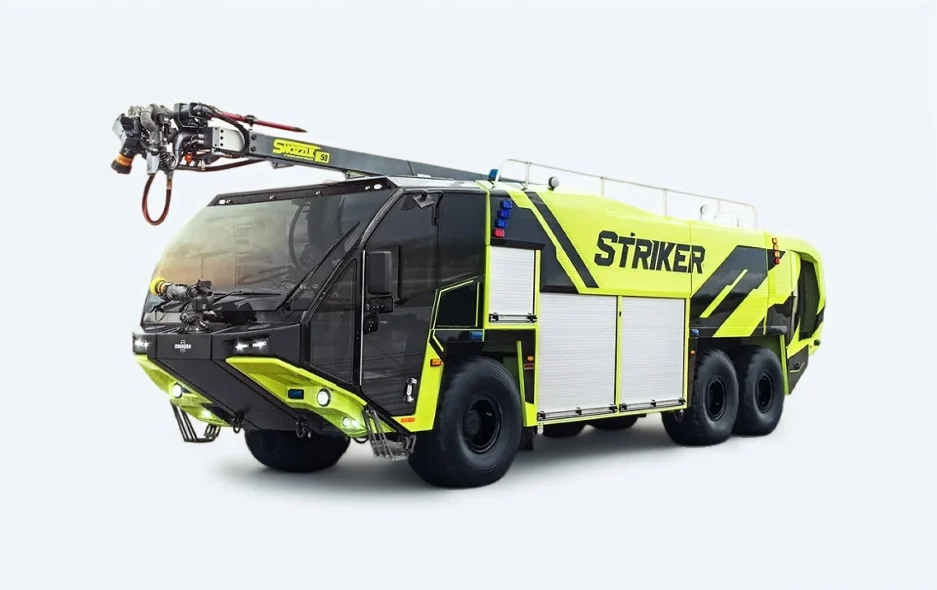
Oshkosh Striker 6x6 ARFF vehicle

Striker 6x6

Class 5 response authority with a large water package, strong control, and a balanced platform for many airport programs.

View 6x6 Details
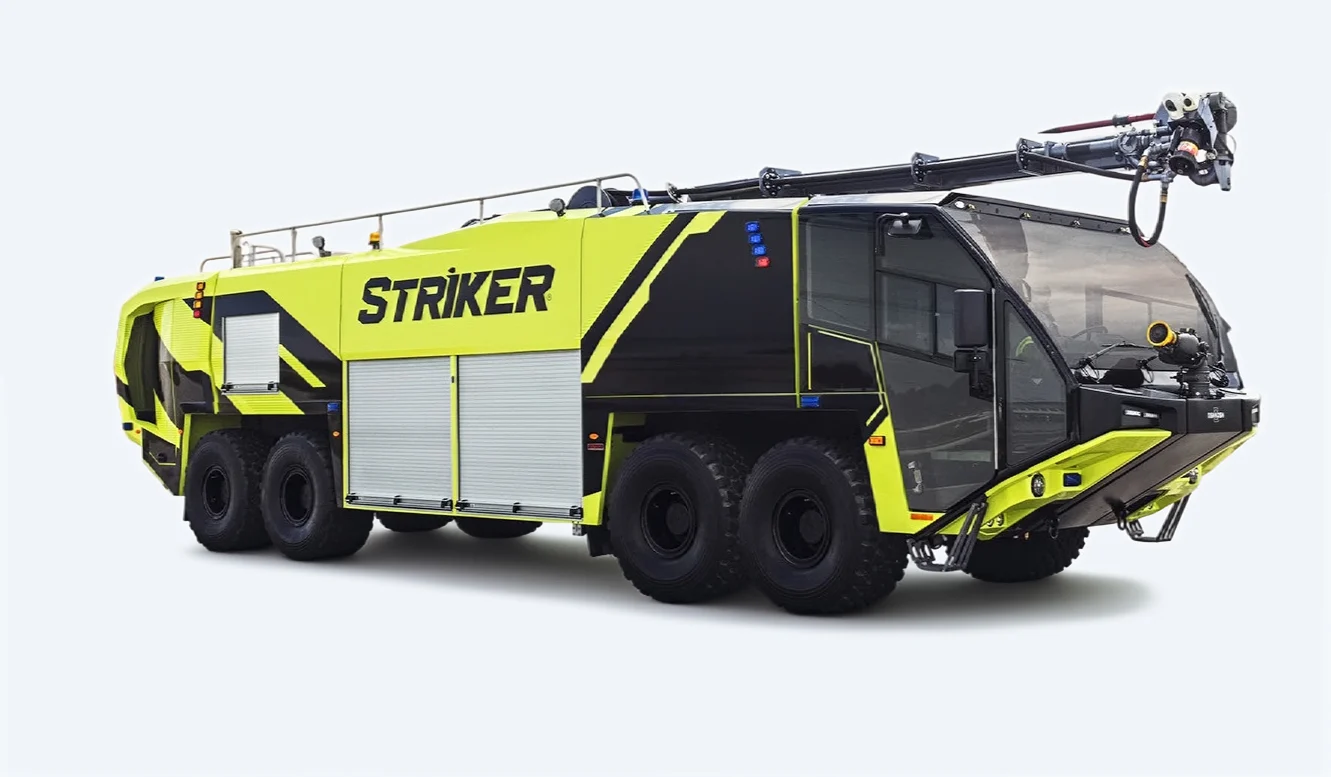
Oshkosh Striker 8x8 ARFF vehicle

Striker 8x8

Maximum onboard agent and major-incident posture for airports that want the heaviest-capacity Striker response package.

View 8x8 Details
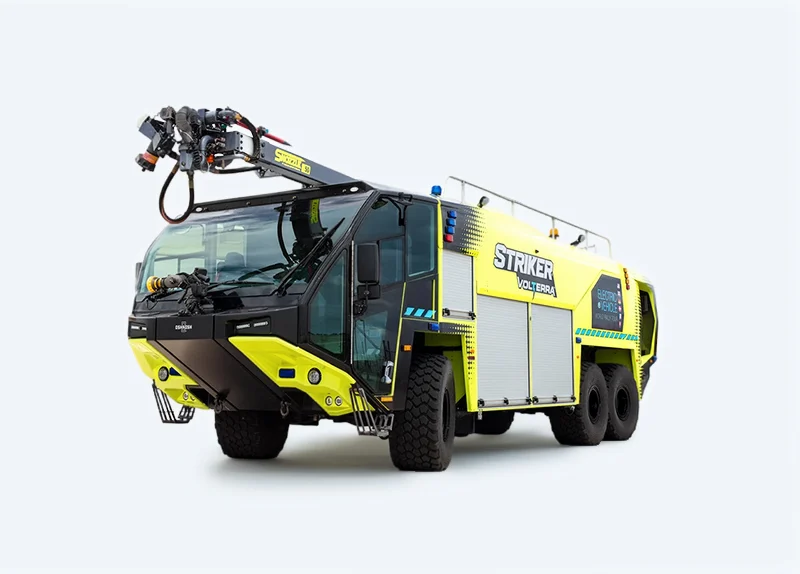
Oshkosh Striker Volterra hybrid ARFF vehicle

Striker Volterra

Hybrid-electric ARFF direction for airports pushing sustainability, lower noise, and cleaner fleet strategy into procurement.

View Volterra Details
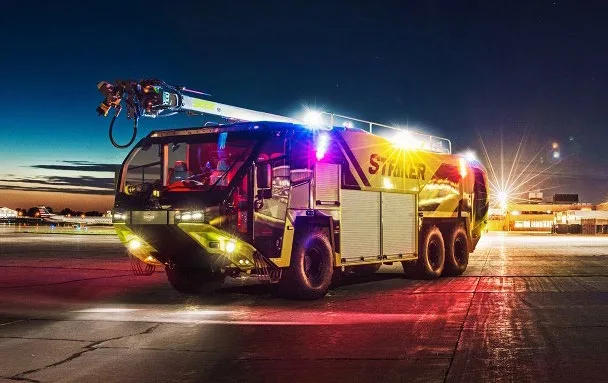
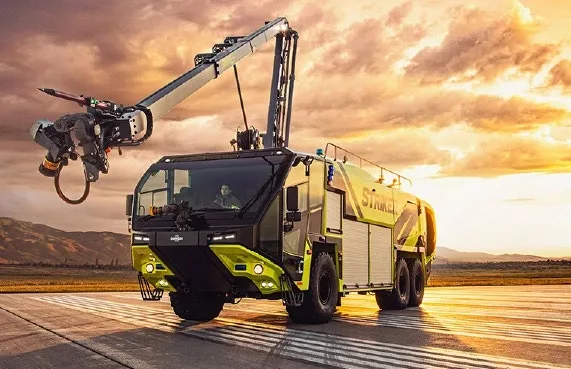
Oshkosh Striker ARFF vehicle on the runway at night

ARFF Basics

ARFF stands for aircraft rescue and firefighting. These trucks are different from municipal apparatus because airport emergencies bring fuel, electrical systems, evacuation, cargo protection, and airfield terrain into the same response. That changes how the truck needs to be built and what it needs to carry.

Airport units are expected to stand by for incoming and outgoing aircraft, launch quickly, work across terminals and runways, and support fire suppression, medical response, crew extraction, mutual aid, and post-incident scene preservation. The apparatus has to be ready for all of it.

Why Airport Trucks Look Different

More onboard agent

ARFF trucks carry large water volumes and multiple agent options because the point of attack can move anywhere on the airfield and cannot depend on a fixed water supply.

Off-pavement mobility

Wide tires, long-travel suspension, and aggressive approach geometry help the truck cross rough terrain, ditches, debris fields, and runway-adjacent areas without losing response speed.

Crew and equipment space

The larger body creates room for firefighting agents, rescue tools, and multi-person crew seating while preserving sightlines and control at speed.

What To Evaluate First

Airport index and class

Start with the airport index and the minimum agent package required. That narrows the field before you get into options.

Agent mix

The right package is not just water volume. Foam, dry chemical, clean-agent strategy, and testing requirements all matter.

Vehicle control

Safety, suspension design, steering behavior, and visibility all affect how fast the truck can actually work on the field.

Fleet readiness

Diagnostics, telematics, and standardization can matter as much as performance when the truck must be deployment-ready at all times.

FAA Vehicle Class Quick Reference

FAA classes are driven by the extinguishing-agent package carried on the vehicle. This is the starting point for early ARFF planning.

FAA Vehicle Class Water / AFFF Requirement Dry Chemical / Halogenated Agent
Class 1 100 gallons 500 lb dry chemical or 460 lb halogenated agent
Class 2 300 gallons 500 lb dry chemical or 460 lb halogenated agent
Class 3 500 gallons 500 lb dry chemical or 460 lb halogenated agent
Class 4 1,500 gallons Not specified in the class table
Class 5 3,000 to 4,000 gallons Not specified in the class table

Agent Strategy

ARFF response usually requires more than one agent strategy. Water, foam, dry chemical, clean-agent options, compressed air foam, and test systems each solve a different operational problem.

System / Agent Primary Use Why It Matters
Water Class A suppression and foam base Still the base medium for the truck's agent package
Firefighting foam Fuel spill and vapor suppression Creates the blanket that separates fuel from oxygen
Dry chemical Supplemental Class B and industrial-style attack Useful when needed, but it spreads fine particulates
Clean agent Occupied spaces and specialty protection Supports situations where suffocation risk matters
CAFS Expanded foam blanket with lower water demand Improves cling, vapor mitigation, and agent conservation
Eco EFP foam testing Verify foam proportioning without discharge Cuts environmental exposure and cleanup cost during testing
Oshkosh Striker ARFF with Snozzle HRET deployed

Why Striker Stands Out

Performance and control

The Striker pitch centers on pump-and-roll capability, rapid response, precision turret control, and a cab layout built to keep the operator confident at speed.

Chassis and mobility

TAK-4 all-wheel independent suspension, center-steer visibility, optional mechanical rear steer, and compliance with major standards make the chassis story as important as the suppression story.

Suppression flexibility

Snozzle HRET reach, K-Factor depth awareness, multiple firefighting-system packages, and foam-test capability help departments build the truck around their airport instead of forcing a fixed package.

Safety, Maneuverability, and Readiness

ARFF safety systems and apparatus protection detail

ARFF safety

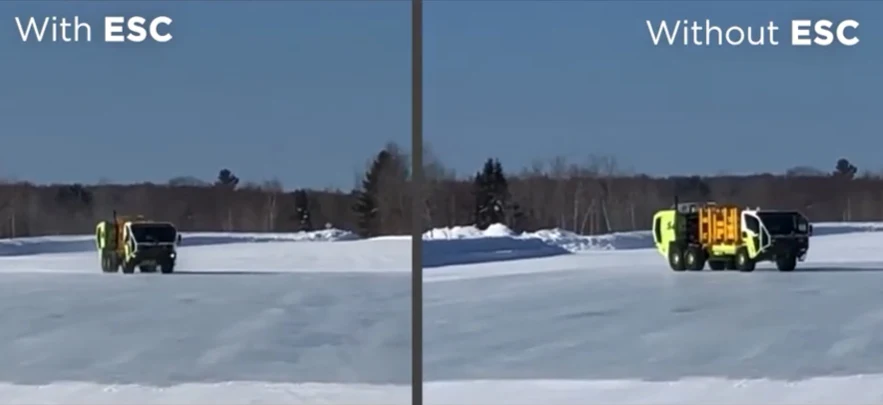
Electronic Stability Control, side curtain airbags, seat-belt pretensioners, improved visibility, and optional 360-degree camera systems show where the safety conversation is headed.

ARFF maneuverability and steering detail

Maneuverability

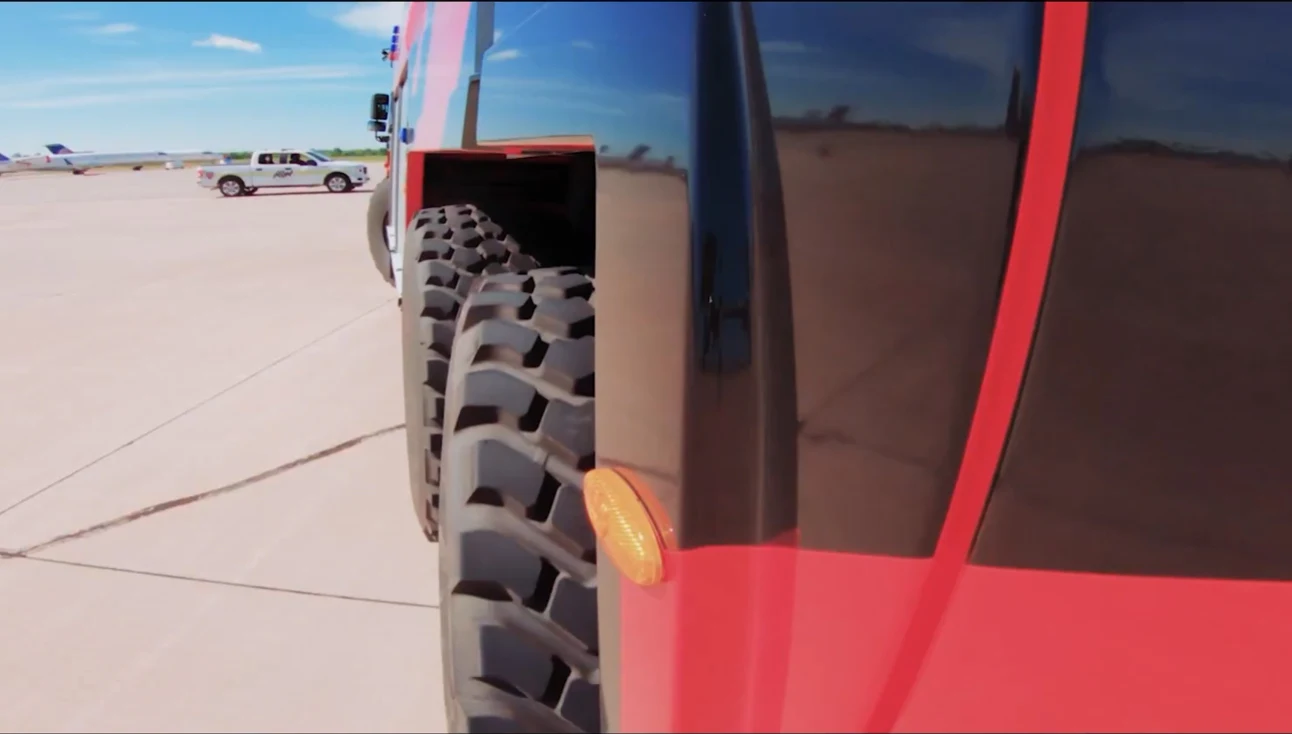
TAK-4 independent suspension and optional rear steer are meant to reduce turning diameter, improve ride quality, and keep the truck mission-capable across mixed airport terrain.

Oshkosh Runway Ready telematics interface

Fleet readiness

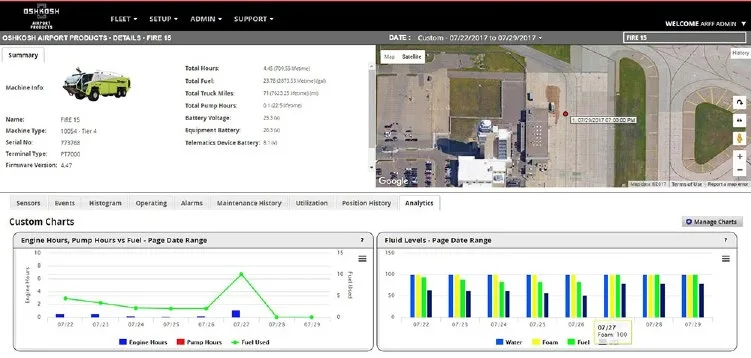
Runway Ready telematics pushes diagnostics and fleet status to the front of the decision-making process. For ARFF fleets, that is a real uptime feature, not just a reporting feature.

Oshkosh Striker simulator training station

Training Options

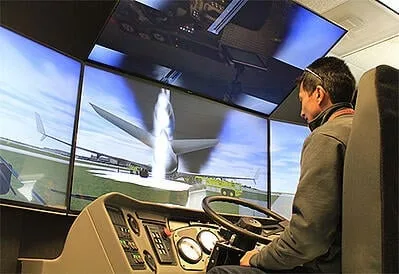
Simulator-based ARFF training gives crews a way to repeat scenarios that would otherwise be expensive, environmentally difficult, or unsafe to reproduce live. That includes agent delivery, fuel-spill response, evacuation conditions, and multi-aircraft setups.

The Striker Simulator is built around authentic truck views, multiple model types, and flexible scenario design. That makes it useful for departments trying to keep operators sharp between annual live evolutions.

Resources

Use this page to frame the ARFF conversation, then drill into the model pages once the airport's class, agent strategy, and operational priorities are clear.